
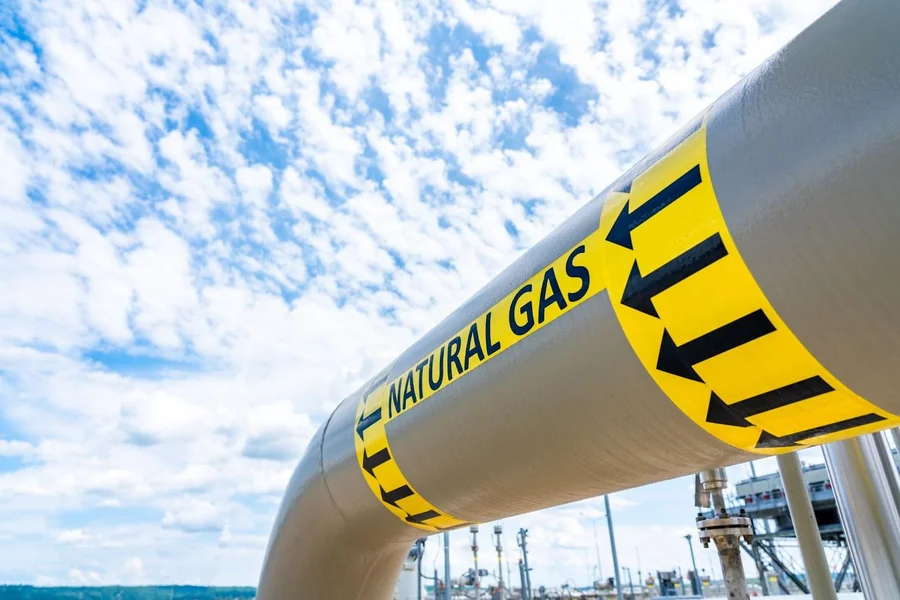
Across Australia, gas keeps things running — from hot showers to backyard barbies. But when choosing between natural gas and LPG, many people aren’t sure what sets them apart. Both are reliable energy sources, yet they differ in how they’re produced, stored, and used. If you’ve ever wondered which one suits your home or business best, here’s a simple, down-to-earth comparison.
What is Natural Gas?
Natural gas is formed deep underground over millions of years from ancient organic matter. It’s mainly methane and travels through an underground pipeline network to homes and businesses.
Because it’s piped directly, there’s no need to worry about refilling or storing it. Once you’re connected to the gas mains, you enjoy a steady and uninterrupted flow. That’s one of its biggest advantages — you never “run out” as you might with bottled gas.
However, not every suburb or town is connected to the gas grid. Many regional and rural areas across Queensland and beyond rely on LPG instead.
What Is LPG?
LPG (liquefied petroleum gas) is produced during the refining of crude oil and the processing of natural gas. It’s stored as a liquid under pressure in bottles or tanks and used for heating, cooking, and hot water.
Unlike natural gas, LPG isn’t piped in — it’s delivered in cylinders that can be refilled or swapped. This makes it ideal for areas without gas connections, such as rural homes, farms, or worksites.
LPG is incredibly versatile. You’ll find it in homes, restaurants, caravans, and even on construction sites — basically anywhere portable fuel is needed.
Key Differences Between Natural Gas and LPG
Here’s a simple breakdown of how they compare:
- Composition: Natural gas is mainly methane, while LPG is usually propane or butane.
- Energy content: LPG packs more energy per unit, producing more heat and power.
- Storage: Natural gas is piped directly; LPG is stored in bottles or tanks.
- Portability: LPG is portable — it can go anywhere.
- Availability: Natural gas depends on pipelines; LPG can be used almost anywhere.
- Cost: Natural gas may cost less per unit, but LPG’s efficiency and flexibility can make up for the difference.
Which is More Eco-Friendly?
Both natural gas and LPG burn cleaner than coal or oil, producing fewer greenhouse gases. Natural gas has a slight edge since methane emits less carbon dioxide per unit of energy.
That said, LPG cylinders are tightly sealed and portable, reducing waste from leaks or venting. They’re also great for off-grid use, especially in places where connecting to natural gas isn’t practical.
If you’re aiming to lower your carbon footprint, either choice is a step in the right direction — the real difference comes from using efficient appliances and keeping them well maintained.
Practical Considerations: What Works Best for You?
Your best option depends on three main things: location, usage, and budget.
- Location: If your home is already connected to a natural gas line, it’s usually the easier and cheaper option. For off-grid areas, LPG offers the same convenience without infrastructure costs.
- Usage: Larger households that rely heavily on gas (for heating, hot water, or cooking) often prefer natural gas for its constant supply. Those who use gas occasionally or live alone may find LPG cylinders more economical.
- Budget: Natural gas often includes a daily service fee, even when usage is low. LPG is pay-as-you-go — you only pay for what you use.
While both CNG vs. LPG are clean alternatives to petrol and diesel, CNG is stored under higher pressure and used mainly in vehicles and industrial systems with pipeline access. LPG remains more accessible and practical for most Aussie households.
Safety and Maintenance
Both gases are safe when handled properly. The main rule is simple: only licensed professionals should install or service your gas appliances.
LPG systems, in particular, need periodic checks to ensure cylinders, hoses, and regulators remain in good condition. Always look out for leaks — you’ll often smell them first — and install a gas detector for added peace of mind.
Whether you’re running on natural gas or LPG, regular servicing keeps your system safe, efficient, and compliant with local safety standards.
Choosing the Right Option
For city and suburban homes, natural gas often makes sense — it’s continuous, convenient, and low-maintenance. But for rural residents, tradespeople, and mobile businesses, LPG’s flexibility is hard to beat. You can take it anywhere, from the workshop to the farm, without needing a fixed connection.
LPG also has the edge in versatility. It can power heating systems, stoves, ovens, and even vehicles. This adaptability makes it popular across Australia, where not every property has access to mains gas.
Final Thoughts
When it comes down to it, choosing between natural gas and LPG isn’t about which is “better” — it’s about which fits your situation. Natural gas gives you a continuous supply and convenience if your property is connected, while LPG offers portability and independence almost anywhere in Australia.
For commercial users, LPG for industrial fuel delivers consistent heat, burns cleanly, and is easy to store and transport. From manufacturing plants to agricultural operations, LPG supports a wide range of applications, including forklifts, dryers, boilers, and commercial kitchens. For homes and businesses around Brisbane, Plus Gas makes it easy to enjoy the benefits of LPG.