
Small structural gaps in homes and buildings are often overlooked, yet they can have significant consequences when it comes to pest infestations. Even the tiniest cracks or openings around windows, doors, foundations, or utility lines can serve as entry points for a wide range of pests, from ants and cockroaches to rodents and spiders. These gaps provide easy access to shelter, food, and water, which are the primary needs for pests to thrive. Understanding how these seemingly minor flaws can escalate into major problems is crucial for maintaining a safe and healthy living environment.
How small gaps become big problems
The hidden dangers of tiny openings
Tiny openings in a building’s structure may seem harmless at first glance, but they can quickly become gateways for pests seeking refuge. Many pests are adept at squeezing through spaces much smaller than their bodies appear to allow. For example, mice can fit through holes as small as a dime, while insects like ants and cockroaches can exploit even narrower crevices. Once inside, these pests can multiply rapidly, taking advantage of the warmth, food, and moisture that homes provide. Over time, what started as a minor entry point can lead to a full-blown infestation, causing damage to property and posing health risks to occupants. The presence of pests can also trigger allergies, contaminate food, and spread disease, making it essential to address even the smallest structural vulnerabilities before they escalate.
Why pests target structural gaps
Pests are constantly searching for environments that offer safety, sustenance, and suitable conditions for breeding. Structural gaps present an ideal opportunity for them to enter and establish themselves within a building. These openings often go unnoticed by homeowners, especially when they are located in less visible areas such as behind appliances, under sinks, or in basements and attics. Once pests find a way in, they can exploit the interconnected spaces within walls, floors, and ceilings to move freely throughout the property. This hidden movement allows infestations to grow undetected until they become severe. For residents in Elgin, addressing these vulnerabilities is a key part of effective pest control Elgin strategies, as local pests are well-adapted to exploiting such weaknesses in both old and new structures.
Common pests that exploit small gaps
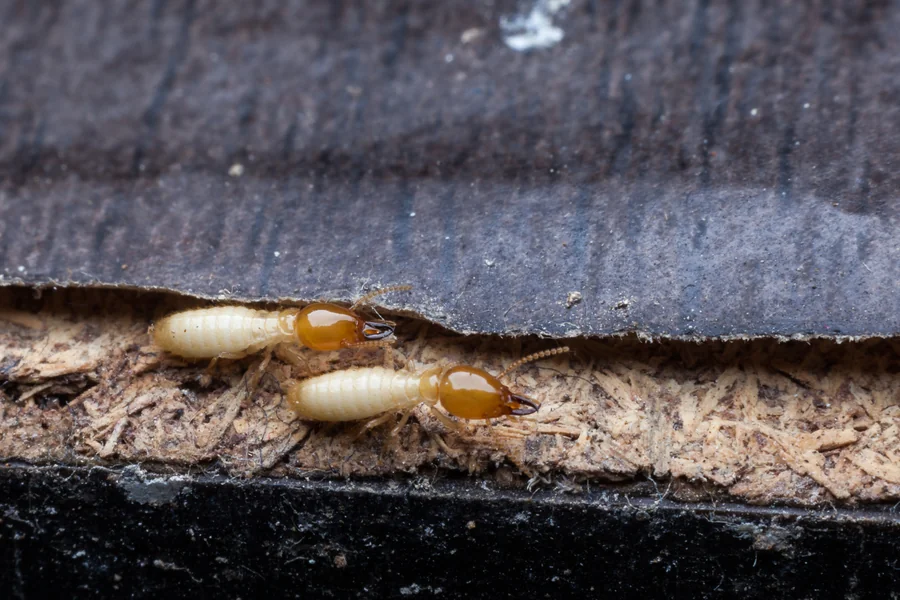
Many types of pests are notorious for taking advantage of small structural gaps. Rodents, such as mice and rats, are particularly skilled at finding and enlarging openings to gain entry. Once inside, they can cause significant damage by gnawing on wires, insulation, and even structural components, increasing the risk of electrical fires and costly repairs. Insects like ants, cockroaches, and termites are also frequent invaders, using tiny cracks to access food sources and nesting sites. Termites, in particular, can cause extensive damage to wooden structures, often going unnoticed until the infestation is advanced. Spiders, silverfish, and other crawling insects may also enter through small gaps, seeking shelter and prey. The presence of these pests can compromise the comfort and safety of a home, making it important to regularly inspect and seal potential entry points.
The role of weather and seasons
Weather and seasonal changes play a significant role in pest activity and their tendency to exploit structural gaps. During colder months, pests seek warmth and shelter indoors, making gaps in doors, windows, and foundations especially attractive. Conversely, in warmer seasons, increased humidity and rainfall can drive pests like ants and cockroaches indoors in search of dry, safe environments. Seasonal changes can also cause building materials to expand and contract, potentially widening existing gaps or creating new ones. This ongoing cycle of environmental stress makes it essential for property owners to remain vigilant throughout the year, regularly checking for and addressing any structural vulnerabilities that could serve as entry points for pests.
Quick tips for identifying problem areas
Identifying problem areas where pests may enter is crucial for prevention. Focus on inspecting around windows, doors, utility lines, and foundation cracks. Pay attention to areas where different building materials meet, as these junctions often develop gaps over time. Regular maintenance and prompt repairs can significantly reduce the risk of pest infestations.
Preventing infestations through maintenance
Regular maintenance is one of the most effective ways to prevent pest infestations caused by small structural gaps. This involves routinely inspecting the exterior and interior of a property for signs of wear, damage, or deterioration that could create entry points. Sealing cracks and gaps with appropriate materials, such as caulk or weatherstripping, can block pests from gaining access. It is also important to address issues like damaged screens, loose siding, and gaps around utility penetrations. Keeping the surrounding landscape well-maintained by trimming vegetation and removing debris can further reduce the likelihood of pests approaching the building. By making these preventive measures a routine part of property care, homeowners can significantly decrease the chances of a minor gap turning into a major infestation.
Conclusion
Small structural gaps may seem insignificant, but they can have a profound impact on the likelihood and severity of pest infestations. These tiny openings provide easy access for a variety of pests, allowing them to enter, multiply, and cause damage before their presence is even noticed. Regular inspections, timely repairs, and ongoing maintenance are essential for keeping homes and buildings secure against unwanted invaders. By understanding the risks associated with structural gaps and taking proactive steps to address them, property owners can protect their investment and ensure a healthier, more comfortable living environment for themselves and their families.